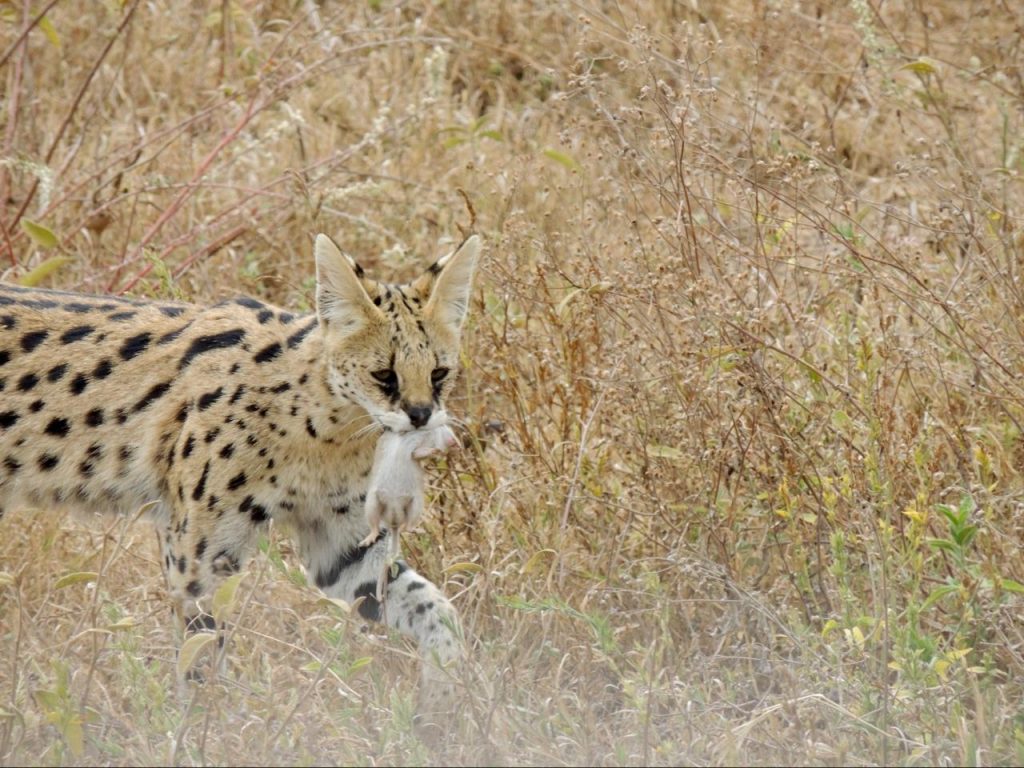
First Time African Safari dreams often begin with a vision of golden savannahs stretching endlessly in every direction, lions lazing beneath acacia trees, and elephants marching silently through the dust at dusk. An African safari is one of the most transformative travel experiences on earth — and for good reason. But if this is your first safari, the questions come fast and thick.
At Cotis Safaris, we hear the same questions from travelers planning their First Time African Safari. That is why we have put together this comprehensive guide, answering the 10 most frequently asked questions about going on safari in Africa. Whether you are visiting Kenya, Tanzania, Rwanda, Uganda, Botswana, South Africa, or beyond, this guide will help you plan with confidence, pack smart, and arrive ready for the adventure of a lifetime.
1. When Is the Best Time to Go on an African Safari?
This is the number one question first-time safari goers ask, and the answer depends on what you want to see.
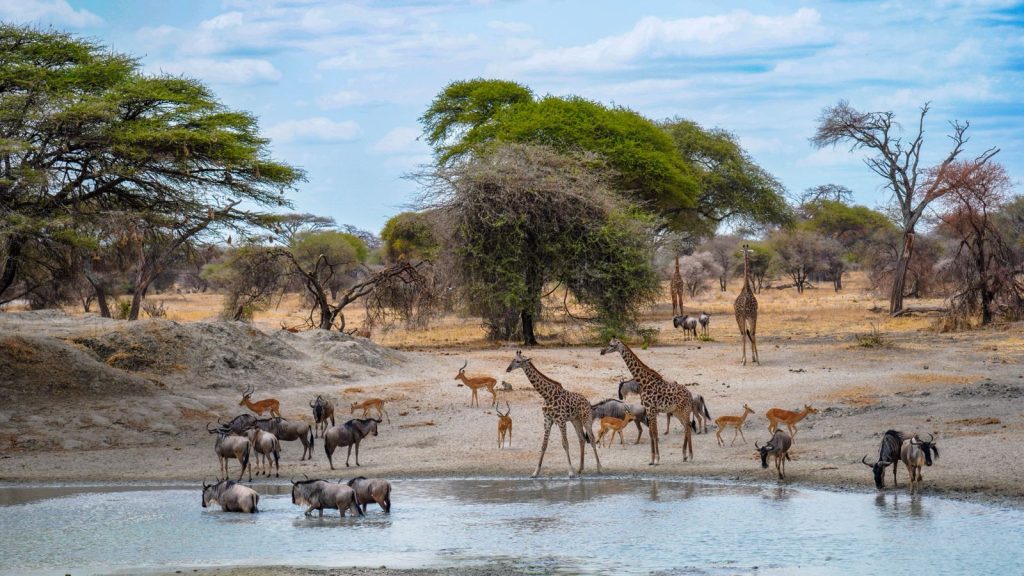
The best time for a safari in East Africa — particularly Kenya and Tanzania — is during the dry season, from June to October. Vegetation thins out, animals gather around water sources, and sightings are exceptional. This is also when the Great Wildebeest Migration peaks in the Masai Mara, with over 1.5 million wildebeest crossing the Mara River in a spectacle that has no equal on earth.
However, the green season (November to May) is a hidden gem for budget safari travelers. Landscapes are lush, birdlife is spectacular, prices are lower, and crowds are minimal. For first-time safari visitors on a budget, this shoulder season offers extraordinary value.
Pro Tip from Cotis Safaris: If seeing the Great Migration is on your bucket list, book between mid-July and late September. For a quieter, more affordable first safari, consider April, May, or November.
2. How Much Does an African Safari Cost?
The cost of an African safari varies enormously. A budget safari in Kenya or Tanzania can start from around USD $150–$300 per person per day, covering accommodation, meals, and game drives. Mid-range options sit between $300–$700 per day, while luxury safari packages at exclusive lodges and private conservancies can exceed $1,500+ per person per day.
Key factors that affect your safari cost include:
- Destination: Kenya’s Masai Mara and Tanzania’s Serengeti carry different pricing structures, especially during peak season.
- Time of year: Peak dry season (July–October) commands premium rates.
- Accommodation type: Tented camps, lodges, or luxury private concessions all differ significantly in price.
- Group size: Private safaris cost more than shared group departures.
- Duration: A 5-day safari will cost considerably less than a 10-day itinerary.
Cotis Safaris Tip: We offer tailor-made safaris to suit every budget. Contact us for a personalised quote at www.cotissafaris.com.
3. Is Africa Safe for First-Time Safari Travelers?
Safety is a top concern for every first-time visitor to Africa. The reassuring truth is that safari destinations like Kenya and Tanzania are generally very safe for tourists, particularly when traveling with a reputable safari operator like Cotis Safaris.
Safari areas — national parks and private conservancies — are well-managed environments where your experienced guide handles everything. Guides are trained in wildlife safety protocols, first aid, and emergency procedures. The risk from wildlife is extremely low when you follow your guide’s instructions.
For general safety:
- Book with a licensed, vetted safari company.
- Purchase comprehensive travel insurance that includes medical evacuation.
- Stay in your vehicle during game drives unless instructed otherwise.
- Follow your guide’s instructions at all times.
- Keep your valuables secured and be aware in urban areas.
4. What Should I Pack for a Safari?
Knowing what to pack for an African safari can make or break your experience. The golden rule? Pack light, neutral, and practical. Many small safari aircraft have strict luggage weight limits of 15kg, and soft-sided bags are required.
Essential safari packing list:
- Clothing: Neutral colours (khaki, olive, beige, tan). Avoid white, black, and bright colours. Pack lightweight long-sleeved shirts for sun and insect protection.
- Footwear: Comfortable, closed-toe walking shoes or boots. No heels — the terrain is rugged.
- Sun protection: High-SPF sunscreen, a wide-brimmed hat, UV-protective sunglasses.
- Insect repellent: DEET-based repellent is essential, especially at dusk and dawn.
- Camera and binoculars: You will want to capture every moment. A zoom lens of 200–400mm is ideal.
- Layers: Mornings on safari can be surprisingly cold, even in summer. Bring a warm fleece or jacket.
- Medication: Anti-malarials, any personal prescriptions, and a basic first-aid kit.
- Power bank: Lodges often have limited charging points.
5. What Vaccinations and Health Precautions Do I Need?
Your health is a priority. Before travelling to East Africa for a safari, consult a travel health clinic or doctor at least 4–6 weeks before departure to allow time for multi-dose vaccines.
Recommended vaccinations for safari travellers:
- Yellow Fever: Mandatory for entry into many African countries if you are arriving from a yellow fever zone.
- Hepatitis A & B: Strongly recommended for all safari travellers.
- Typhoid: Recommended, particularly if you plan to eat outside main safari lodges.
- Tetanus: Ensure your routine vaccinations are up to date.
- Rabies: Advisable for remote areas with limited medical access.
Critically, malaria is endemic across most safari destinations. Since there is no vaccine, you must take anti-malarial medication. Common options include Malarone, Doxycycline, and Mefloquine (Lariam). Alongside medication, use DEET-based insect repellent, wear long sleeves at dusk, and sleep under mosquito nets.
6. Do I Need a Visa to Visit Kenya or Tanzania?
Yes — most nationalities require a visa or travel authorisation to enter Kenya or Tanzania for a safari. The good news is that the process has become much easier in recent years.
Kenya:
Kenya replaced its eVisa system with the Electronic Travel Authorisation (ETA) in January 2024. All visitors — including children — must apply online before arrival at etakenya.go.ke. Your passport must be valid for at least 6 months beyond your entry date and have at least two blank pages.
Tanzania:
Tanzania offers an e-Visa that can be applied for online before travel. Citizens of East African Community member states may enjoy visa-free access. Check with your nearest Tanzanian embassy for the latest requirements.
Cotis Safaris Tip: We guide all our clients through the visa and entry documentation process. Reach out to us at www.cotissafaris.com well in advance of travel.
7. Will I See the Big 5 on Safari?
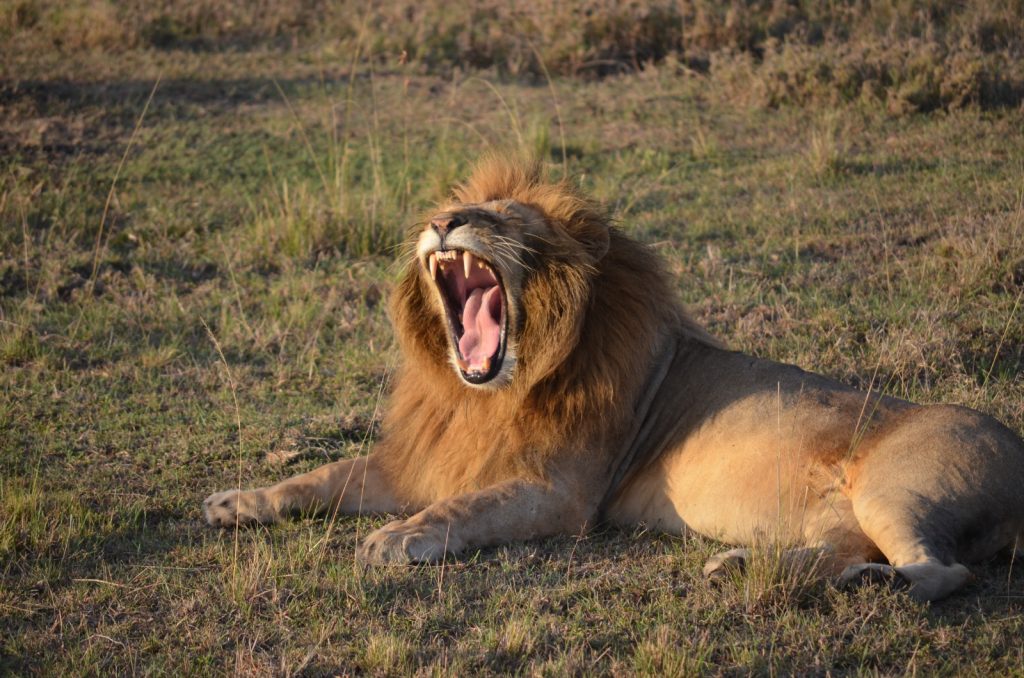
The Big 5 — lion, leopard, elephant, buffalo, and rhino — are the most sought-after wildlife sightings on any African safari. While there are no guarantees with wild animals, the right destination dramatically increases your chances.
Best destinations to see the Big 5:
- Masai Mara, Kenya: Exceptional lion and leopard sightings, large elephant herds, and healthy buffalo populations. Rhino are present though harder to spot.
- Ngorongoro Crater, Tanzania: One of the best places on earth to see all Big 5 in a single day due to the crater’s natural enclosure.
- Serengeti, Tanzania: Incredible lion and leopard densities, especially in the Seronera Valley.
- Amboseli, Kenya: Famous for large elephant herds against the backdrop of Mount Kilimanjaro.
Cotis Safaris Tip: Our expert guides know the territories, the migration patterns, and the seasonal hotspots. We curate itineraries that maximise your Big 5 sighting opportunities.
8. What Is a Typical Day on Safari Like?
A typical safari day is an experience unlike anything else. Here’s what to expect on a game drive safari in East Africa:
- 5:30–6:00 AM — Early Morning Wake-Up: The bush comes alive at dawn. You will enjoy a quick cup of tea or coffee before heading out.
- 6:00–9:30 AM — Morning Game Drive: The most productive game drive of the day. Animals are active, the light is golden, and temperatures are cool. This is prime time for predator sightings.
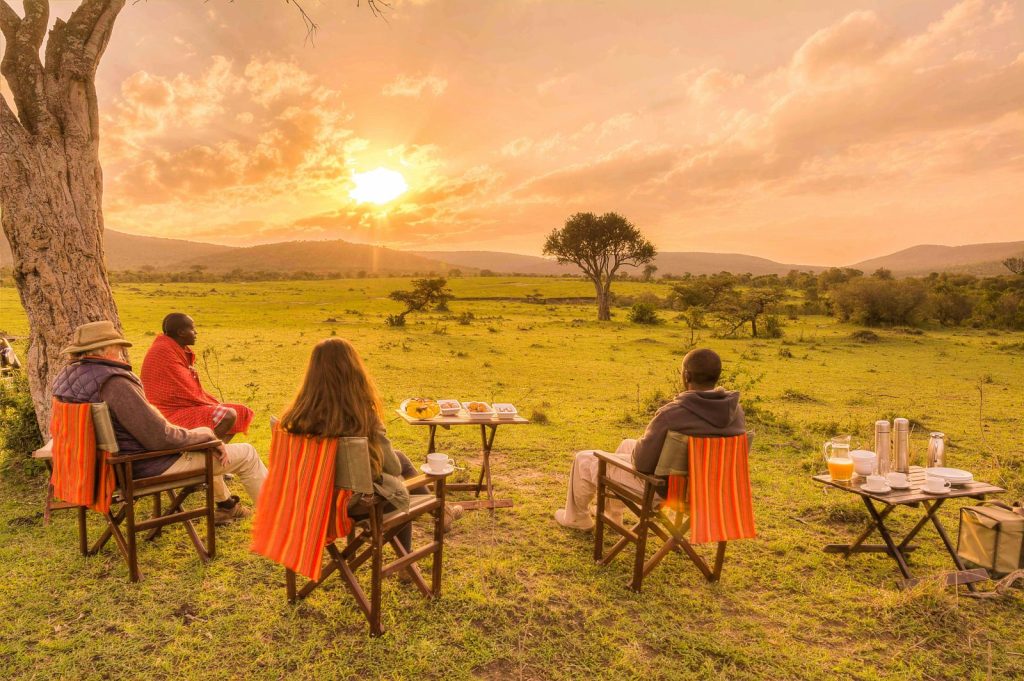
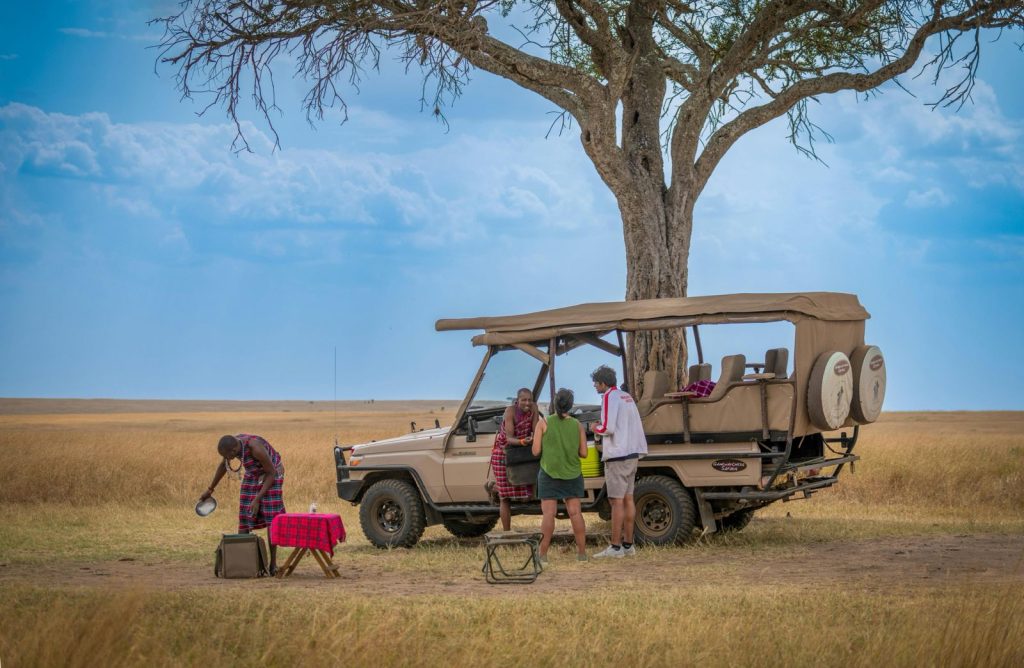
- 9:30–10:00 AM — Bush Breakfast: Many lodges offer a ‘bush breakfast’ in the wild — a memorable experience in the heart of the savannah.
- 11:00 AM–3:00 PM — Rest at Camp/Lodge: The midday heat means most wildlife rests too. Use this time to swim, relax, and recharge.
- 3:30–6:30 PM — Afternoon Game Drive: As the day cools, animals become active again. Sundowner drinks in the bush as the sun sets over the savannah is pure magic.
7:30 PM — Dinner: Most camps serve dinner around a campfire under an extraordinary African sky.
9. What Type of Safari Accommodation Should I Choose?
One of the most common first-time safari questions is about where to sleep. Safari accommodation in Africa ranges from basic to breathtakingly luxurious:
- Budget Tented Camps: Simple but authentic — canvas tents with basic beds and shared facilities. Ideal for the traveller who wants a raw, immersive experience at lower cost.
- Mid-Range Safari Lodges: Comfortable en-suite rooms or tents with good food and reliable game drive vehicles. The sweet spot for most first-timers.
- Luxury Safari Lodges & Camps: World-class facilities — private plunge pools, gourmet dining, spa treatments, and exclusive wildlife concessions. These offer the ultimate in comfort and exclusivity.
- Mobile Tented Camps: Follow the wildlife as camps move with the migration seasons. An authentic, adventurous choice.
Cotis Safaris Tip: We handpick all our lodges and camps for quality, location, and authenticity. Whether you are on a honeymoon safari, a family safari in Kenya, or a solo adventure, we match you with the perfect stay.
10. How Do I Choose the Right Safari Company?
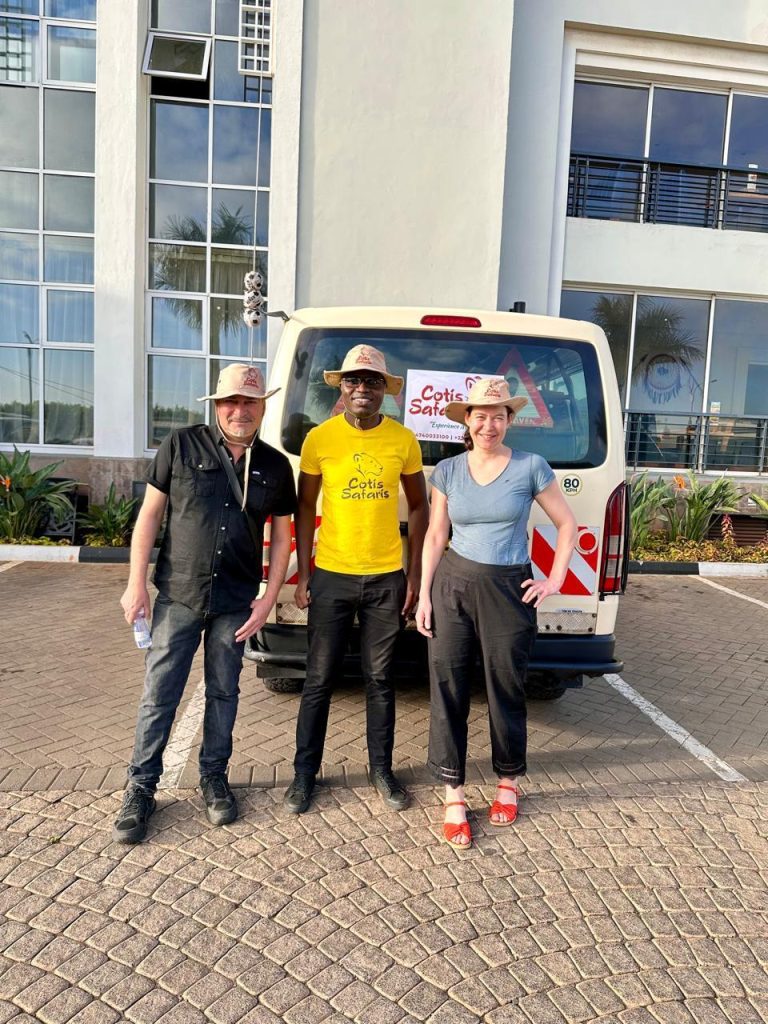
Choosing the right safari operator is the single most important decision you will make. The difference between a mediocre and an unforgettable safari almost always comes down to your guide and your operator.
What to look for in a reputable safari company:
- Licensing and accreditation: Ensure they are licensed by the relevant national tourism authority (e.g., Kenya Tourism Board, Tanzania Tourism Board).
- Experienced, knowledgeable guides: Ask about guide qualifications. The best guides hold formal certifications and have years of field experience.
- Transparent, all-inclusive pricing: Avoid operators who quote low upfront prices and then add hidden charges.
- Strong reviews and testimonials: Check Google, TripAdvisor, and safari-specific review platforms.
- Tailor-made itineraries: Your safari should be built around your interests, budget, and travel dates — not a one-size-fits-all package.
Responsible tourism practices: Choose operators committed to sustainability, wildlife conservation, and supporting local communities.
Ready to Plan Your First African Safari?
At Cotis Safaris, we have been crafting extraordinary safari experiences in Kenya, Tanzania, and beyond for years. Whether you dream of witnessing the Great Migration, tracking the Big 5 in the Masai Mara, or waking up to elephants outside your tent in Amboseli — we build the safari that is right for you.
Start planning your dream safari today. Visit us at www.cotissafaris.com or get in touch with our team of East Africa safari experts for a personalised, no-obligation quote.
Because some adventures are too important to leave to chance.