
If you’ve been searching “best time to go on safari in Africa”, you’ve probably seen many different answers. The truth is : There is no single best time to go on safari in Kenya or Tanzania. There is only the best time for you.
The people who enjoy their safari the most are not the ones who pick the “popular” time.
They are the ones who pick the right time based on what they want to experience.
At Cotis Safaris, we’ve guided over 500 travelers, many of them visiting Africa for the first time. And we’ve learned this:
The people who enjoy their safari the most are not the ones who pick the “popular” time.
They are the ones who pick the right time based on what they want to experience. This guide will help you do exactly that.
November to Mid-December: Green Season with Great Value
This is one of the most underrated times to go on safari.
During this period, you’ll experience light rains, often in the afternoon. The landscapes turn green, fresh, and incredibly beautiful (perfect for photography)
There are fewer tourists in the parks. This means:
- More space
- Less rush at sightings
- A calmer, more personal experience
Wildlife viewing is still very good. And because this is not peak season, accommodation prices are lower. This makes your overall safari more affordable without sacrificing quality.
Best for: Travelers who want great value and peaceful parks without the crowds.
Late January to February: Calving Season and Unique Wildlife Moments
If you’re looking for something special, this is one of the best times to visit.
The rains are minimal. The parks are still quiet. But what makes this period truly unique is what happens in the Serengeti and Maasai Mara.
It is calving season.
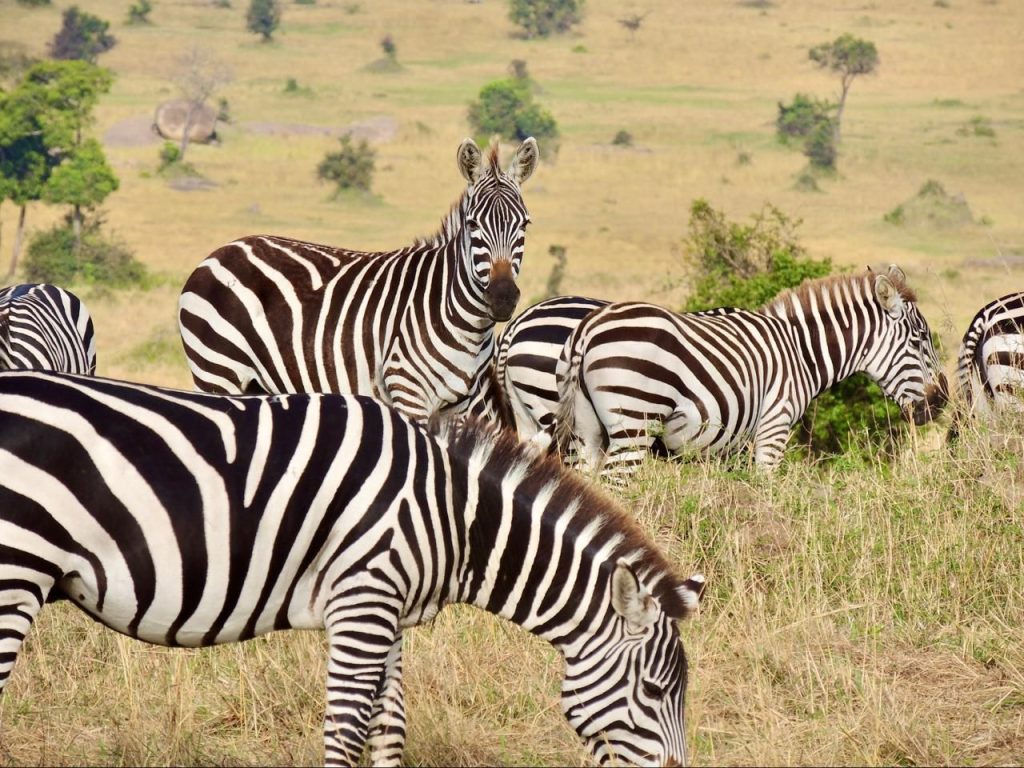
Thousands of baby animals are born during this time. You’ll witness new life, gentle moments, and raw nature all at once. The landscapes are still green. The atmosphere feels calm and unhurried.
Best for: Travelers who want unique, emotional wildlife moments and fewer crowds.
March to May: Low Season and Budget Travel
This is the long rainy season. The rains are heavier and more consistent. Some roads may become difficult to navigate. A few camps and lodges close during this time.
There are very few tourists. And prices are at their lowest. However, this is where experience matters most. Wildlife viewing is not at its peak, and conditions can be unpredictable.
At Cotis Safaris, we always guide our clients honestly here. Lower prices are appealing—but only if you are comfortable with the trade-offs.
Best for: Travelers focused on budget, who understand and accept the conditions.
June to October: Peak Season and Iconic Safari Experiences
This is the most popular time to go on safari—and for good reason. The weather is dry and cool. Wildlife is easier to spot as animals gather around water sources.
This is also when you may witness the world-famous Great Migration, as millions of wildebeest move between Tanzania and Kenya.
These are the dramatic, cinematic moments many people dream of. However, parks are busier. And accommodation prices are higher.
Best for: Travelers who want classic, bucket-list safari moments.
So, When Is the Best Time to Go on Safari?
The answer is simple.The best time to go on safari in Kenya or Tanzania depends on:
- Your budget
- Your tolerance for crowds
- The type of experience you want
Do you want quiet and value?
Do you want something rare and emotional?
Or do you want the iconic scenes you’ve always imagined?
How Cotis Safaris Helps You Get This Right
We start by understanding:
- Who you’re traveling with
- What matters most to you
- What kind of memories you want to create
Then we recommend the right time, the right place, and the right experience—without guesswork.
We don’t gatekeep information.
We guide you before, during, and after your safari so you feel confident every step of the way.
Conclusion
A safari is not just a trip. It’s a once-in-a-lifetime experience for many travelers.
And the difference between a good safari and an unforgettable one often comes down to one decision:
Choosing the right time to go.
If you’re unsure, that’s exactly where we come in.