What are Africa’s Big Five Animals?
There is a moment on safari when everything becomes still. The vehicle stops, the guide focuses, and in the distance, movement reveals one of Africa’s most iconic creatures. That moment is what many travelers come for—the chance to witness the Big Five.
The Big Five refers to the lion, leopard, elephant, rhinoceros, and African buffalo. Today, they represent the most celebrated wildlife sightings in Africa and form the foundation of the safari experience.
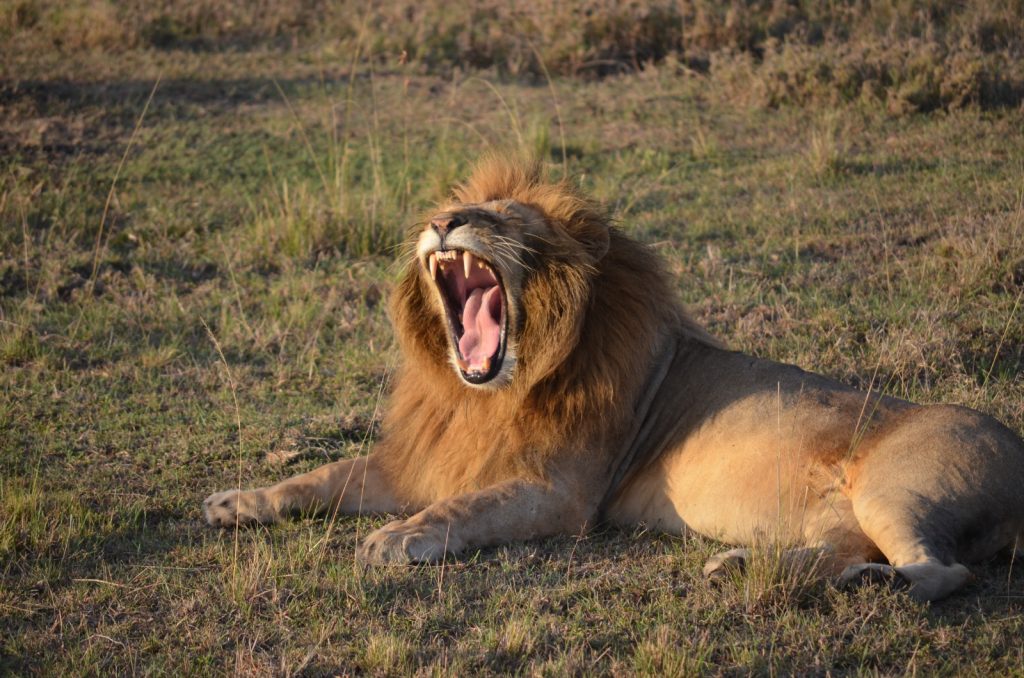
Each of these animals captures a unique aspect of the wild. The lion reflects strength and leadership. The leopard represents quiet precision and adaptability. The elephant symbolizes intelligence and deep social bonds. The rhinoceros stands for rarity and conservation importance. The buffalo represents resilience and collective strength.
East Africa offers some of the best places on the continent to see all five species thriving in their natural habitats.
Where to See the Big Five in East Africa
Kenya: The Heart of the Safari Experience
Kenya is one of the most accessible and rewarding destinations for Big Five safaris.
Maasai Mara National Reserve
The Maasai Mara is one of Africa’s most famous wildlife reserves and a prime location for spotting all members of the Big Five. Lions are frequently seen across the plains, while leopards rest in trees along riverbanks. Elephants move in large herds, buffalo gather in significant numbers, and rhinos are protected within specific areas.
The reserve is also known for the Great Migration, which enhances predator activity and overall wildlife density.
Ol Pejeta Conservancy
Ol Pejeta is one of the leading conservation areas in Kenya and offers one of the highest chances of seeing rhinos in East Africa. It provides a more private safari experience and highlights successful wildlife protection efforts.
Amboseli National Park
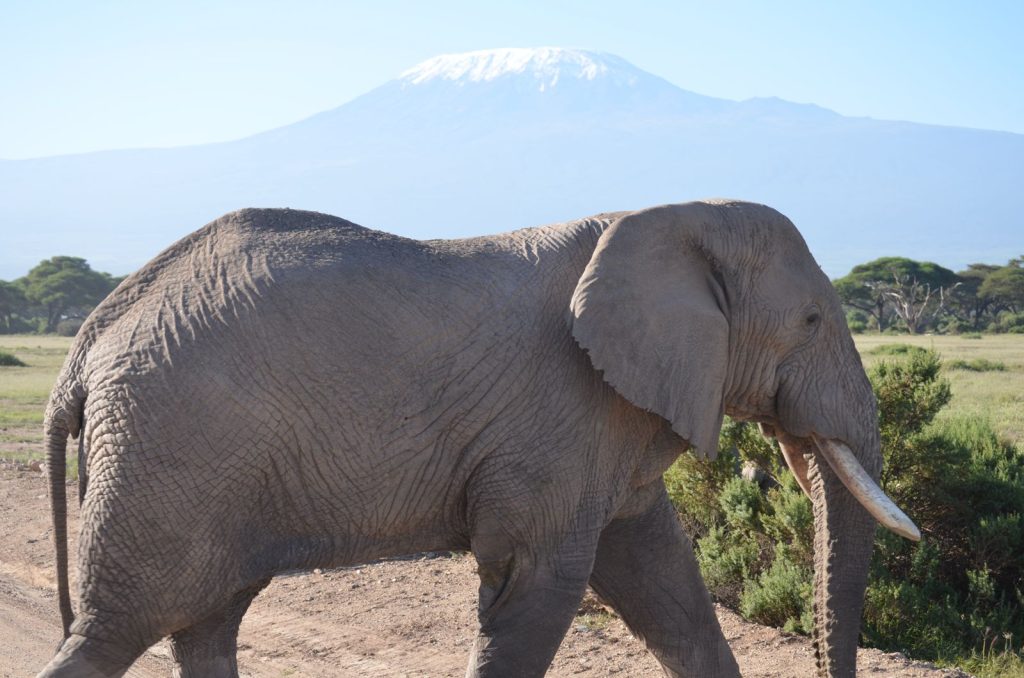
Amboseli is known for its large elephant herds and views of Mount Kilimanjaro. The park also supports lions and buffalo, making it a strong destination for multiple Big Five sightings.
Tanzania: Expansive Wilderness and Rich Wildlife
Serengeti National Park
The Serengeti is one of the most iconic safari destinations in the world. It supports large populations of lions, elephants, and buffalo, with leopards often found in wooded areas near rivers. The open plains make wildlife viewing consistent and rewarding.
It is also central to the Great Migration, creating dramatic interactions between predators and prey.
Ngorongoro Crater
The Ngorongoro Crater offers one of the highest concentrations of wildlife in Africa. Its enclosed ecosystem allows for excellent chances of seeing all Big Five species within a short time. It is particularly known for its population of black rhinos.
Uganda: Diverse Landscapes and Unique Wildlife
Queen Elizabeth National Park
This park offers a mix of savannah, wetlands, and forests. It is known for its tree-climbing lions, along with elephants and large herds of buffalo.
Murchison Falls National Park
Murchison Falls combines powerful landscapes with abundant wildlife. Elephants and buffalo are commonly seen, and lions are often spotted in the savannah areas.
Rhinos in Uganda are primarily found at Ziwa Rhino Sanctuary, which complements safari itineraries.
Rwanda: A Conservation Success Story
Akagera National Park
Akagera has transformed into a complete Big Five destination following successful conservation and reintroduction efforts. Lions and rhinos have been re-established, and the park now offers a well-rounded safari experience.
It is also an excellent addition to itineraries that include gorilla trekking.
When Is the Best Time to See the Big Five?
The dry season from June to October is generally the best time for wildlife viewing. During this period, animals gather around water sources and vegetation is less dense, making sightings easier.
This is also the peak period for the Great Migration in Kenya and Tanzania.
The green season from November to May offers lush landscapes, fewer visitors, and excellent photography conditions. It is also the calving season in the Serengeti, which increases predator activity.
In Uganda and Rwanda, the dry months from June to September and December to February are ideal for safaris due to better road conditions and easier wildlife tracking.
Conservation Efforts in East Africa
The protection of the Big Five is central to conservation efforts across East Africa. Anti-poaching initiatives continue to protect vulnerable species such as elephants and rhinos.
Community conservancies, especially in Kenya, play a significant role by involving local communities in wildlife protection while creating sustainable livelihoods.
In Rwanda, restoration programs have successfully reintroduced key species into Akagera National Park. Across the region, tourism plays a critical role in supporting conservation and preserving natural habitats.
Important information about a Big Five Safari
A successful safari depends on thoughtful planning. Traveling during the dry season improves visibility and increases the chances of sightings. Choosing experienced guides enhances the overall experience, as they understand animal behavior and tracking techniques.
Combining destinations can improve the likelihood of seeing all five species. Spending more time in key parks allows for deeper exploration and better opportunities for wildlife encounters.
Packing neutral clothing, bringing binoculars, and maintaining flexibility in daily schedules all contribute to a more rewarding safari.
Experience the Big Five with Cotis Safaris
The Big Five represent more than iconic wildlife. They are a symbol of Africa’s natural heritage and the ongoing efforts to preserve it.
From the savannahs of Kenya and Tanzania to the restored landscapes of Rwanda and the diverse ecosystems of Uganda, East Africa provides exceptional opportunities to experience these remarkable animals in the wild.
With the right planning and guidance, a Big Five safari becomes more than a trip—it becomes a lasting connection to the natural world.
Cotis Safaris offers tailored safari experiences across East Africa, designed to maximize wildlife encounters while ensuring comfort and authenticity.
Our popular safari experiences include:
- Kenya safari itineraries featuring Maasai Mara, Amboseli, and Ol Pejeta
- Tanzania safaris combining Serengeti and Ngorongoro Crater
- Uganda and Rwanda journeys that blend Big Five safaris with gorilla trekking
Contact Cotis Safaris for personalized itineraries, knowledgeable guides, and carefully selected accommodations to deliver memorable and seamless safari experiences.